
Driving the Use of Clean Transportation Options in Michigan
Are you Fueled by this Mission? Get InvolvedMichigan Clean Cities is your first stop for trusted information on clean fuels and vehicles. We know that growing the use of alternative fuels, advanced vehicles, and fuel economy practices locally can impact our nation’s petroleum dependence. However you get around, let us help you do it cleaner.
Since 1997, Michigan Clean Cities has been supporting fleet and fueling station operators as well as the general public in cutting pollution, cost, and increasing the variety of transportation options toward transportation system that meets 21st century needs and beyond. Michigan Clean Cities is affiliated with and staffed by NextEnergy, a nonprofit organization accelerating smarter, cleaner, more accessible solutions for communities and cities. Michigan Clean Cities is a U.S. Department of Energy designated Clean Cities coalition bringing the power and knowledge of the U.S. national laboratory network to you as you plan and deploy your clean fleet.
Featured Projects
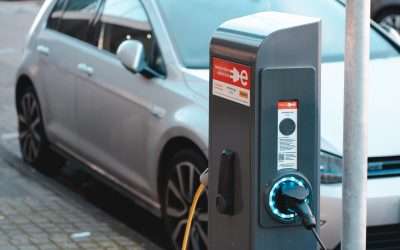
The Affordable Mobility Platform
Launched in 2022, the Affordable Mobility Platform project which is deploying electric vehicle carsharing programs at multi-family housing communities in Michigan and nationwide.
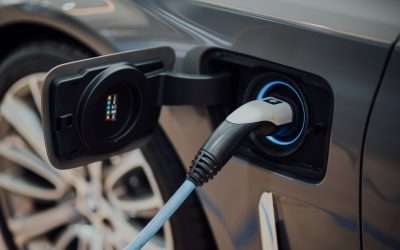
EMPOWER
Launched in 2022, EMPOWER is a nationwide project led by Columbia-Willamette Clean Cities Coalition and East Tennessee Clean Fuels with Michigan based activities led by MICC.
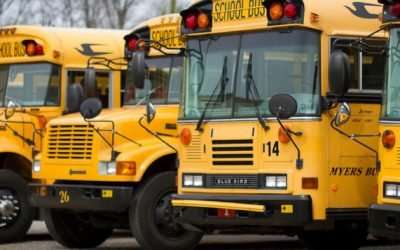
Clear the Air for School Kids
Launched in 2009, Clear the Air for School Kids is an ongoing effort to boost clean school bus and reduce engine idling with and for school districts and students.
Latest News

K-Zoo – Get your motor running!
Michigan Clean Cities is working to ensure that the EV revolution is inclusive. Kalamazoo and Portage residents and the general public can now sign up for the EV car sharing program hosted at the Creamery and Spring Manor communities.

Round 1 grant awarded to MICC Member City Lansing – Charging & Fueling Infrastructure
MICC’s Jamie Leonard participated in a recent press event at Lansing Board of Water & Light headquarters celebrating the city winning $8 million in funding for its public EV charging plan.
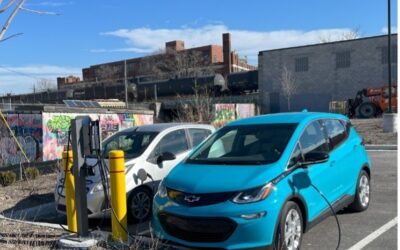
Michigan Clean Cities, LISC Detroit collaborate on clean transportation with affordable housing communities
Local Initiatives Support Corporation Detroit is working with local affordable housing communities to plan for, provide, and assess transportation options. LISC Detroit and Michigan Clean Cities have partnered on a 12-month community engagement and awareness process about transportation.
Clean and Alternative Fuels and Vehicles 101
What exactly are clean fuels and vehicles? Why is cutting petroleum use important? Learn more about low and zero-pollution fuels, vehicles, and transportation techniques – it’s easy to make clean transportation work for you with help from Clean Cities.
When we work together, our collective actions can help curb the causes of climate change and the harm to public health from transportation emissions. You’re here, you’re interested – let’s take the next step together. Learn how you can contribute to our coalition’s efforts.